SCIENTIFIC RESEARCH
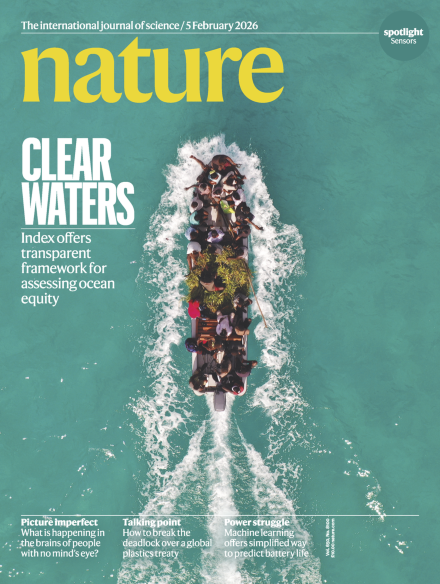
Galaxy Brain Scientific’s Technology Enables Landmark Parkinson’s Study Published in Nature, Redefining Disease Mechanism
BEIJING, China — February 5, 2026 — A research team led by a Chinese scientist., has published a study in Nature that pinpoints the core functional circuit underlying Parkinson's disease (PD). The findings redefine the biological mechanism of PD and provide a scientific basis for developing precision neural circuit stimulation strategies for treating the condition.
Researches
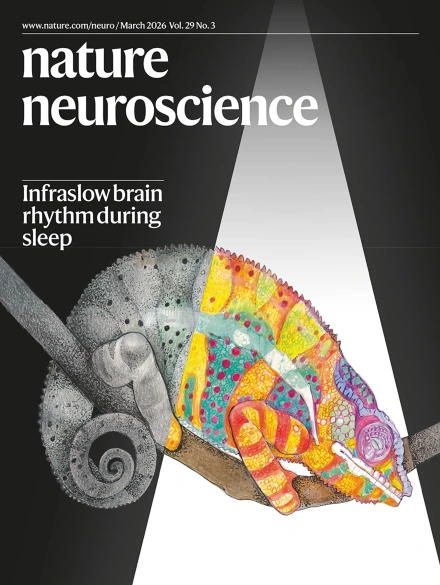
BEIJING, China — March 13, 2026 — A research team led by a Chinese scientist, has published a study in Nature Neuroscience demonstrating that Deep Brain Stimulation (DBS) achieves therapeutic efficacy in Parkinson’s disease (PD) by remodeling the SPARK circuit. (https://www.nature.com/articles/s41593-026-02228-w)
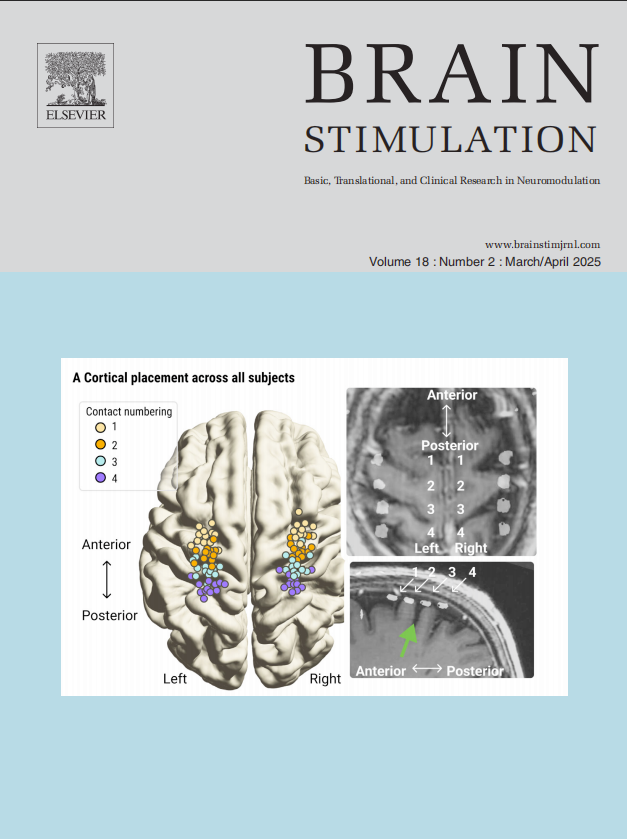
Recently, a study published in the internationally renowned academic journal Brain Stimulation has brought new hope for patients with post-stroke cognitive impairment (PSCI). This randomized controlled trial, jointly conducted by a Chinese scientist’s team at Changping Laboratory, Professor Hao Zhang’s team at China Rehabilitation Research Center, and several other institutions, explored the efficacy and safety of high-dose intermittent theta-burst stimulation (iTBS) combined with individualized neural function-targeted therapy in PSCI patients. The results demonstrated that this therapy has significant effects in improving patients’ cognitive function, with a treatment response rate of 93% and good safety.
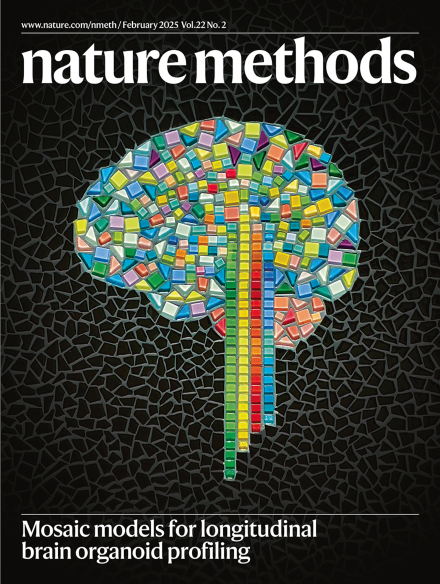
In modern medical research, neuroimaging technologies, particularly magnetic resonance imaging (MRI), have become vital tools for detecting brain diseases and exploring the mysteries of the brain due to their safety, non-invasive nature, and high resolution. However, with the explosive growth of imaging data in recent years, traditional neuroimaging preprocessing methods have struggled to meet the demands for rapid and large-scale processing.
The DeepPrep technology, developed by the research team led by Hesheng Liu at Changping Laboratory, has brought revolutionary changes to this field. The research findings were published online in Nature Methods on February 6, 2025.